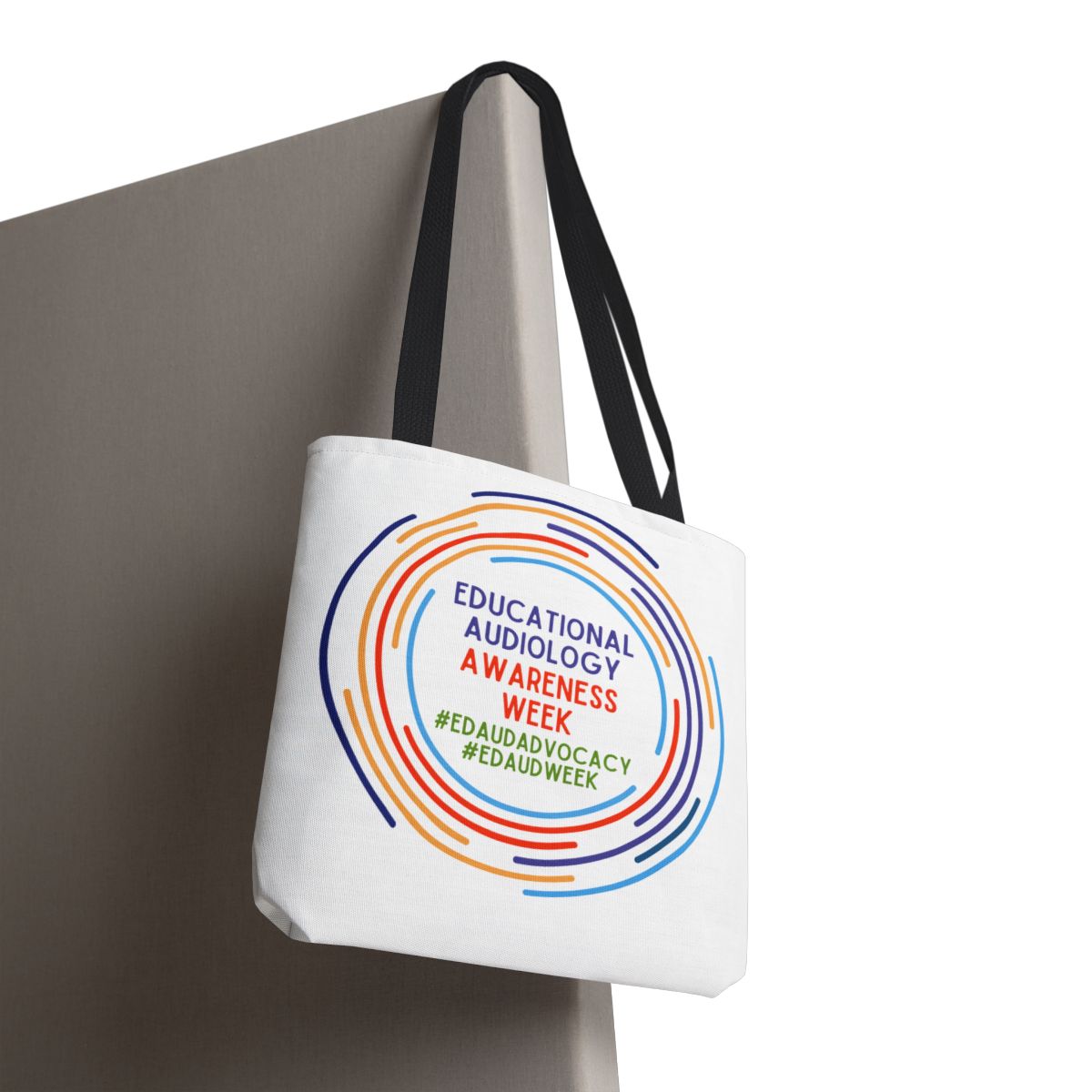
Educational Audiology Awareness Week promotes advocacy for the Educational Audiology profession along with professional recognition and thanks. Below are resources you can use to help spread EdAud Awareness! #EdAudWeek #EdAudAdvocacy
EdAud Awareness Week 2026
We are excited to announce that the 2026 theme for Educational Audiology Awareness Week is Connect, Collaborate, Cultivate: Driving Student Outcomes. Educational audiologists are important team collaborators in serving deaf and hard of hearing students, from the provision of special education related services to 504 plan accommodations. This year, we will highlight the partnerships educational audiologists have with other professionals and families to maximize services and support to fuel student achievement.
Hosted by the Educational Audiology Association (EAA), this week recognizes and thanks the professionals who help students who are deaf and hard of hearing thrive in school. Explore the resources below, share them widely, and help us spread the word. #EdAudWeek #EdAudAdvocacy
Five days, five collaborations, one student at the center. Each day you will connect with a different part of a student’s team, see what it looks like to collaborate there, and learn what that partnership cultivates for the student. Read to the bottom of each day and you will find that day’s code word, shown for that day only. Write all five down as you go. At the end of the week you enter them with your email address, and that is your entry in both drawings.
Day 1 · Mon
Emergency Planning
Day 2 · Tue
PT / OT Collaboration
Day 3 · Wed
SLP Interprofessional Practice
Day 4 · Thu
Psychology Teamwork
Day 5 · Fri
Parents & Family Partners
A new code word appears each weekday and is gone the next morning. Check in daily.
Two winners, two prizes. Details are just below. The stamps above are just a progress tracker for this browser, so if you read on your phone one day and your computer the next, do not worry. The five code words are what count.
Finish the passport to enter
Two winners. Two prizes.
Every completed passport goes into both drawings. We will draw one name for the membership and a separate name for the handbook, so a single passport gives you two chances and no one wins twice.
Prize One
A One-Year EAA Membership
Regular or student membership, whichever fits the winner. Already a member? Your next year is on us. Either way it means the member listserv, free webinars, the discounted conference rate, and a year inside the community that does this work every day.
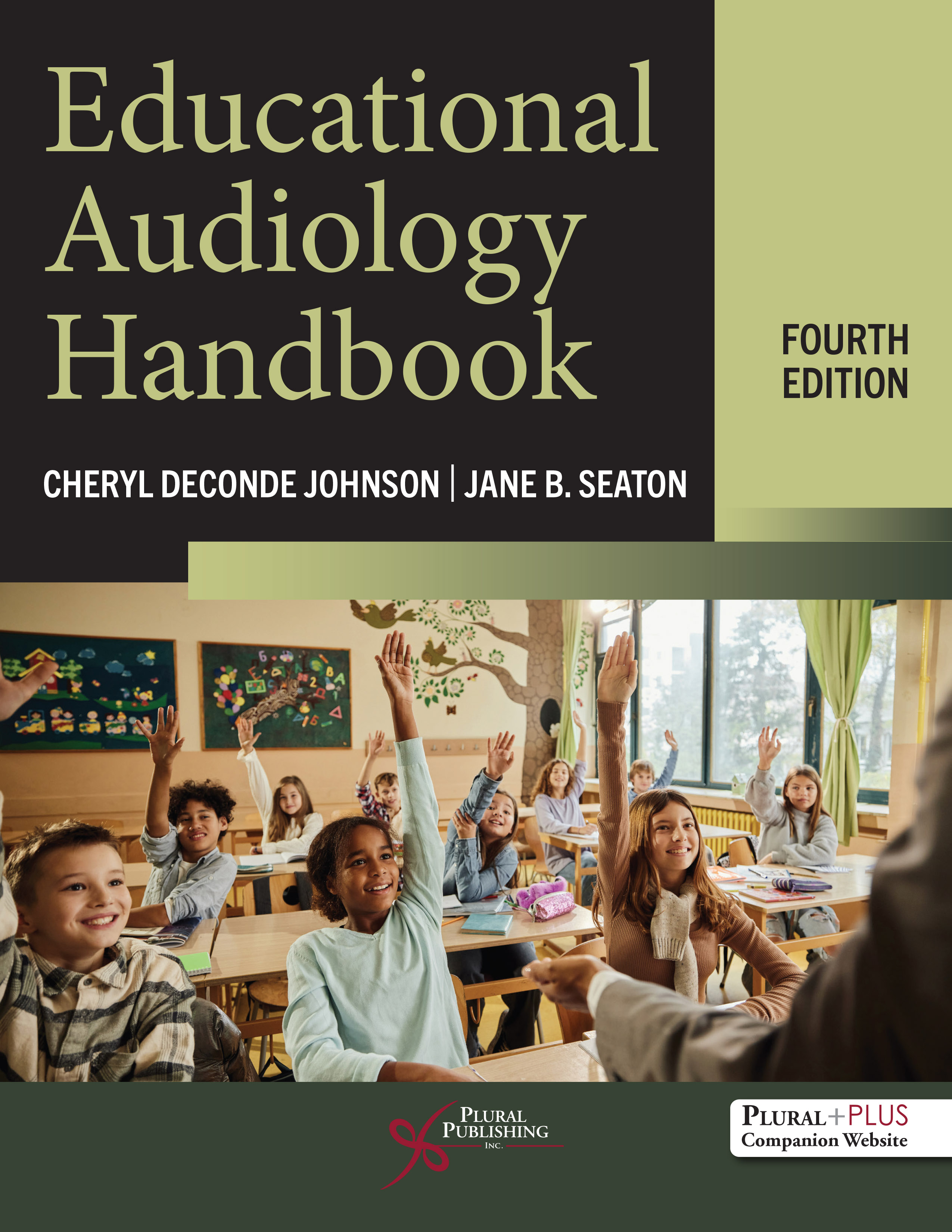
Fourth Edition · Cheryl DeConde Johnson & Jane B. Seaton · Plural Publishing, 2026
The reference most educational audiologists reach for first: 669 pages of protocols, forms, and guidance covering nearly everything in this week’s five days. A $154.95 value.
The entry form opens Friday, October 23, once the fifth code word is out.
Open to everyone. One entry per person. Entries close October 31, 2026 and both winners will be drawn and notified in early November.
The Week, Day by Day
A fire alarm a student cannot hear. A lockdown announcement over an intercom with no visual equivalent. Hearing technology that comes off during an evacuation and stays behind. Emergency plans are written for the whole building, and students who are deaf or hard of hearing are the ones most easily left out of them.
Connect
Ensuring Safety Through Student AdvocacyInvolve D/HH students in the development and refinement of emergency preparedness plans to understand their perspective and prioritize their needs.
Collaborate
Checking Emergency Protocols for AccessibilityCollaborate with building and district emergency management to ensure visual alerting and warning systems are integrated for D/HH students.
Cultivate
Strengthening Emergency ReadinessUse student, parent and staff feedback to continuously improve communication access, ensuring D/HH students receive timely, accessible, and effective emergency information when it matters most.
How a student sits, moves, and handles their own equipment runs straight through the work physical and occupational therapists do. Positioning changes where a remote microphone should sit. Motor planning changes whether a student can manage their own device. Sensory needs change how long they will tolerate wearing it at all.
Connect
Optimizing the “Listening Posture”We collaborate with PTs to ensure students have the core physical stability and ergonomic seating needed to reduce physical strain, freeing up essential “brain power” for auditory processing.
Collaborate
Balancing the Sensory EnvironmentBy partnering with OTs, we align a student’s acoustic tech with their unique sensory processing needs—ensuring amplification provides optimal speech clarity without causing sensory overload in noisy school spaces.
Cultivate
Integrating Wearable Tech & MobilityWe work together to seamlessly customize how hearing technology integrates with mobility aids, standers, or sensory tools, ensuring a student’s gear never gets in the way of their movement or independence.
Speech-language pathologists and educational audiologists often share the same student, the same IEP, and the same goal, approached from two directions: audibility and language. Neither one gets a student all the way there alone. A signal the student cannot hear cannot become language, and language the student has never been taught cannot be understood no matter how clean the signal.
Connect
Bridging the Link Between Auditory Access and Speech-Language DevelopmentConnecting with SLP colleagues ensures that a student’s hearing capabilities are aligned with their communication, academic, and social demands.
Collaborate
Ensuring Accurate Diagnosis and Preventing MisclassificationSLPs can avoid misdiagnosing a D/HH child with a primary language or learning disorder by ensuring an educational audiologist is part of the evaluation. Collaboration is especially critical for complex cases.
Cultivate
Holistically Advancing Literacy and Social-Emotional OutcomesCommunication is the foundation for academic success, cultivated with SLPs who can help craft coordinated and aligned intervention plans for D/HH students across domains.
School psychologists assess cognition, attention, and social-emotional functioning, and hearing runs through all three. A student who misses the end of every sentence can look inattentive. A language gap built by years of partial access can look like a learning disability. Psychologists are also often the first to notice when a student is unsafe, and children who are deaf or hard of hearing face a higher risk of maltreatment than their hearing peers.
Connect
Capturing the Whole ChildEdAuds work alongside school psychologists to remove barriers to assessment and capture a student’s true capabilities.
Collaborate
Uncovering Unmet NeedsSchool psychologists and EdAuds partner to maximize educational success and to identify gaps in services or areas to enhance.
Cultivate
Collaborating on Social-Emotional LearningEdAuds and School Psychologists partner with families to foster strong social-emotional health and positive student outcomes.
Every other member of the team changes: new school, new grade, new district, new job. Families are the only ones who stay for the whole journey. They hold the history, troubleshoot the equipment at seven in the morning, and make the decisions everyone else recommends.
Connect
Families as PartnersEngage with the team member who supports the student at every stage of their journey.
Collaborate
Shared Decision-MakingStrategize with families, rather than prescribe. Work together to find what works best for families and students.
Cultivate
Holistically Empower the VisionEngage families to sustain and carry out the plan beyond direct professional support.
Family-to-Family Support, connecting families to parents further along the same journey, Hands & Voices Family Leadership in Language and Learning (FL3)
Most of the people who decide how your students are served have never been told what this week is. Here is a message you can send to your special education director, your principals, or your whole building, and a shorter version for a district calendar. Copy either one, fill in the bracketed parts, and send it as your own.
Email to your district
To[your special education director, principals, or staff]
SubjectEducational Audiology Awareness Week, October 19 to 23
Hello [name or team],
The 2026 theme for Educational Audiology Awareness Week is Connect, Collaborate, Cultivate: Driving Student Outcomes. Educational audiologists are important team collaborators in serving deaf and hard of hearing students, from the provision of special education related services to 504 plan accommodations. This year, the Educational Audiology Association (EAA) will highlight the partnerships educational audiologists have with other professionals and families to maximize services and support to fuel student achievement.
The week runs October 19 to 23, and each day highlights a different collaboration: emergency planning on Monday, physical and occupational therapy on Tuesday, speech-language pathology on Wednesday, school psychology on Thursday, and families on Friday.
Resources for each day, printable materials for classrooms and staff rooms, and a daily activity with two prize drawings open to everyone are on the EAA website: https://www.edaud.org/edaud-awareness-week
[Your name] [Your role, your district]
Short version for a district calendar
October 19 to 23, 2026 · All day
Educational Audiology Awareness Week, October 19 to 23, 2026. This year’s theme is Connect, Collaborate, Cultivate: Driving Student Outcomes, highlighting the collaborations educational audiologists build with other professionals and families to support students who are deaf and hard of hearing. Resources: https://www.edaud.org/edaud-awareness-week
Printables, Graphics & Shareables
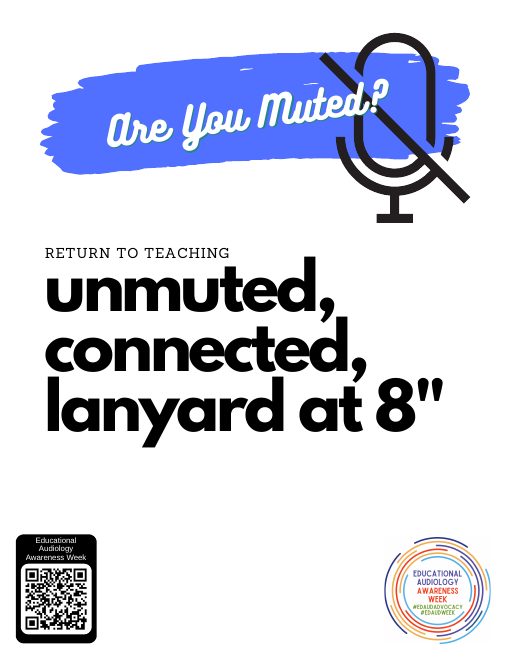
Everything here is free to print, post, and share. Logos and graphics first, then coloring pages, then door signs and a QR code for flyers.
Logos & Graphics
Image
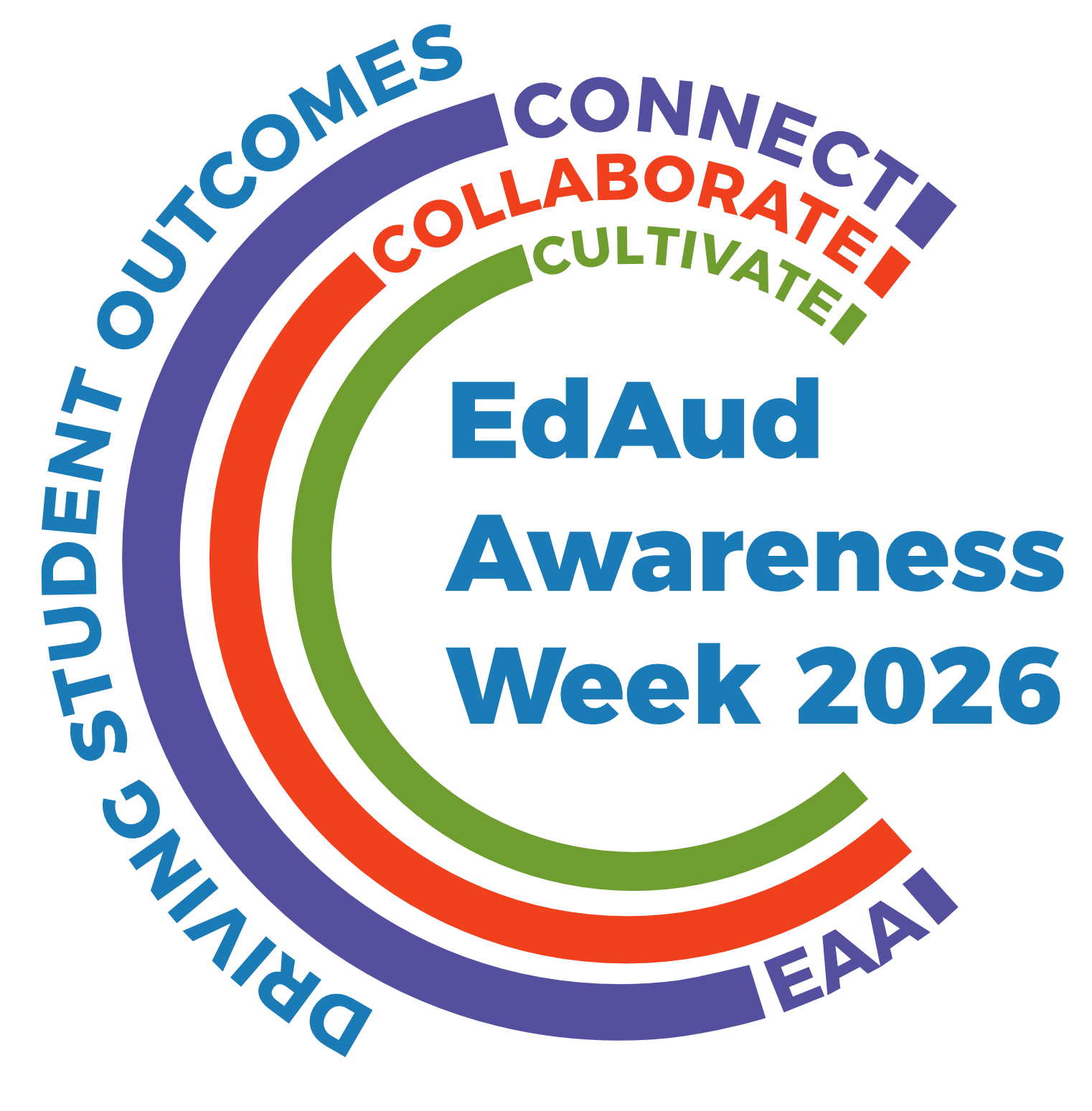
EdAuD Awareness Week 2026 Logo
This year’s logo with the theme line, for posts, flyers, and slides.
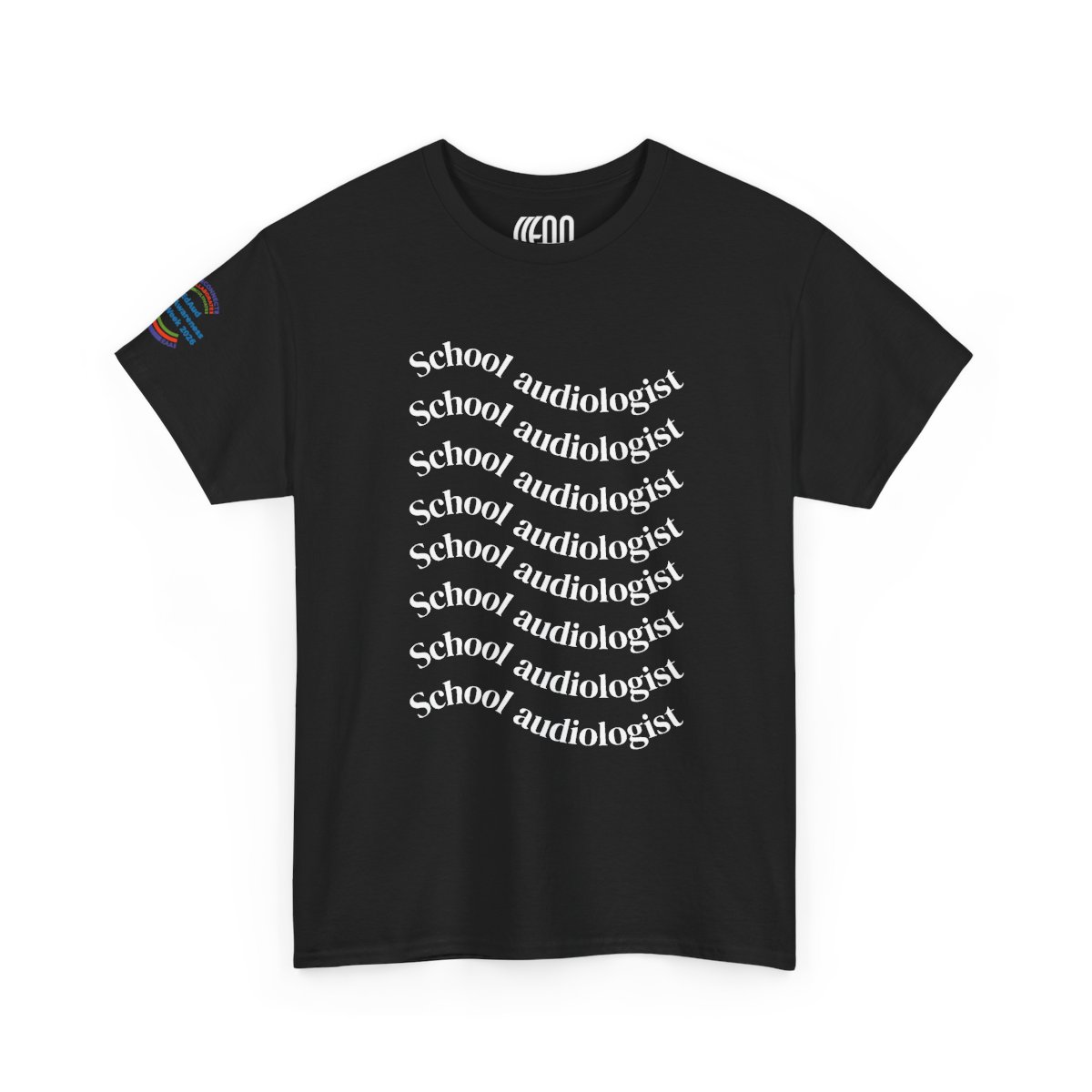
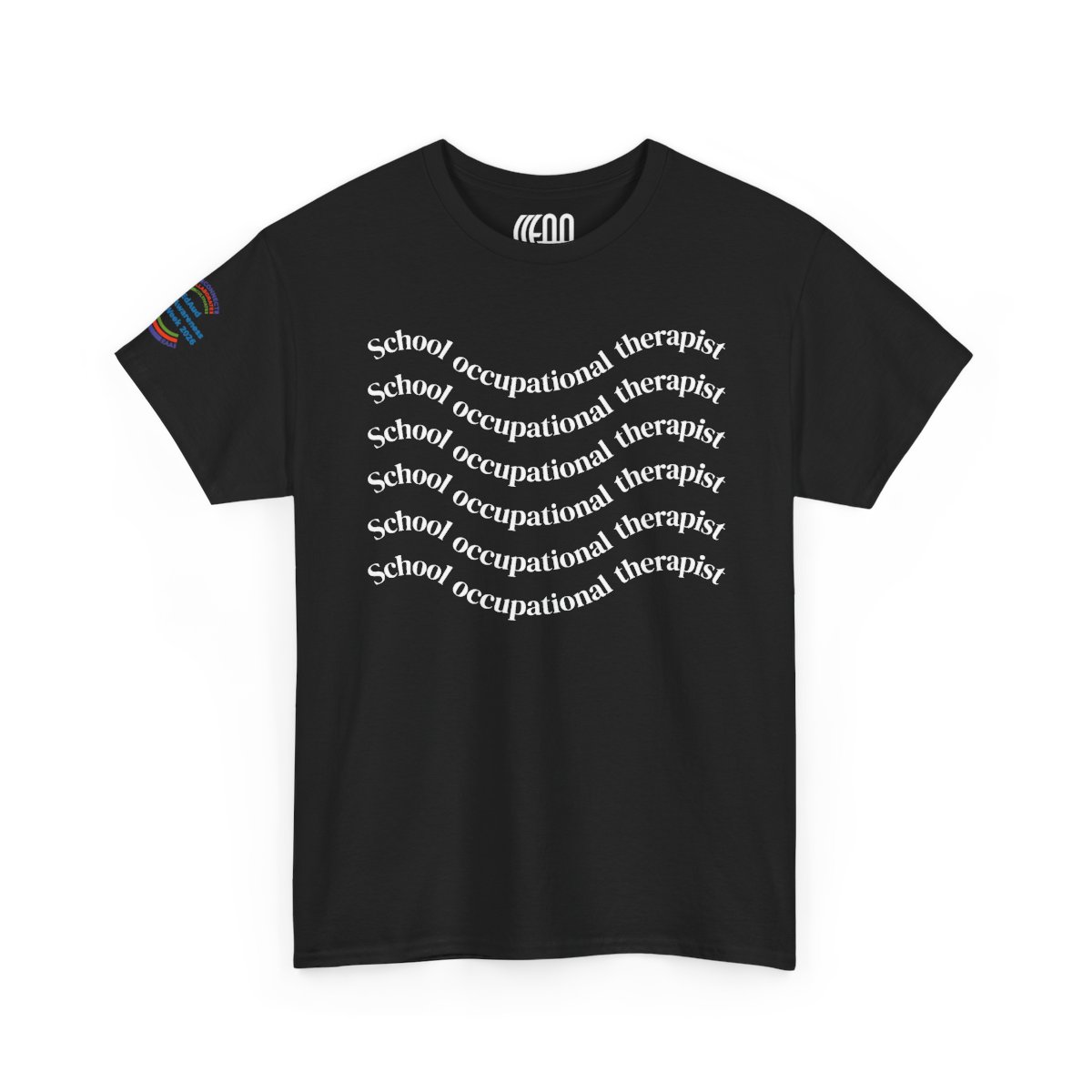
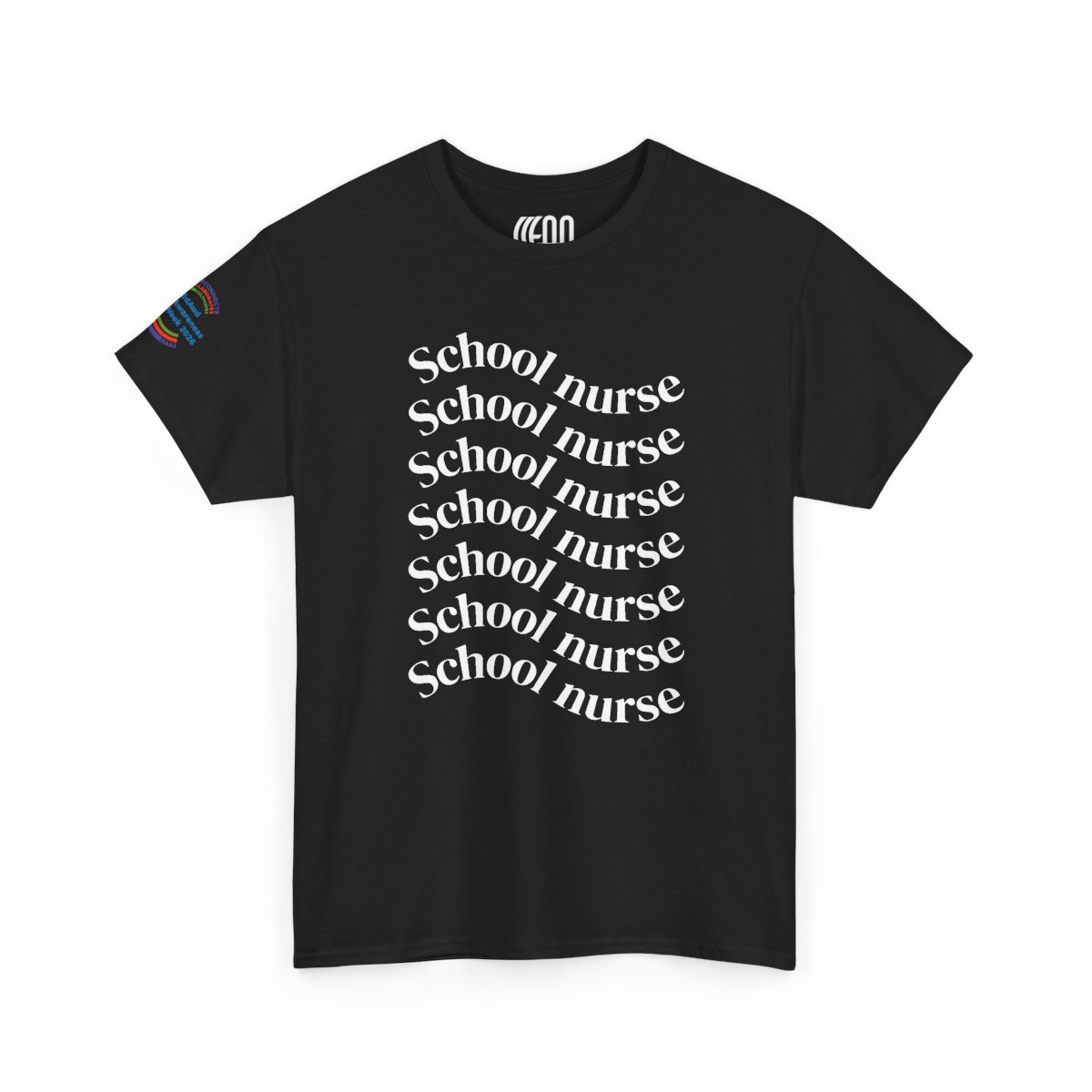
This week is about the people a student who is deaf or hard of hearing depends on, so the shirts are too. There is one for each of us. Most of the staff you walk past on a Monday morning have never heard the phrase “educational audiologist,” and a shirt in a staff room does more about that than any web page can. When someone asks what it means, you have started the conversation this whole week is about.
Shirts from $16. Buy one for yourself, or for the colleague who always picks up the FM. Snap a photo and tag #EdAudWeek so we can share it.
Order in time
Shirts are printed to order, so allow about two weeks. Order by Friday, October 9 to be wearing yours during Awareness Week.
One for each role
New for 2026, carrying this year’s theme. Each comes in a range of colours, so a team can match or you can stand out.
Sweatshirts, totes, posters, magnets and more, available all year.
Explore Past Years
When a Deaf or Hard-of-Hearing toddler is starting school, the change for their family can seem daunting. How will their child access communication in the classroom? How does the family plan for their technology needs as they become school-aged? What is the best placement for their child? How will they do in school? Will they have friends? Educational Audiology Awareness Week spotlights resources for clinicians and families as their child prepares for the classroom and how to help these children succeed.