|
Home / Professional Development / EAA Learning Hub / October 2026 Webinar Live Webinar · October 21, 2026
Approaches to Augmentative and Alternative Communication with Students who are Deaf and Hard-of-HearingPresented by Erin Crafton, MS, CCC-SLP Register NowDate
Wednesday, October 21, 2026
Time
1 PM ET
12 PM CT · 11 AM MT · 10 AM PT
Length
60 minutes, including Q&A
CEUs
Details to come
About This WebinarAs audiologists, you serve as the primary experts on auditory access for Deaf and Hard of Hearing (DHH) students. However, when a student's communication or academic progress plateaus despite intervention, recognizing the next step is crucial. Approaches to Augmentative and Alternative Communication with Students who are Deaf and Hard-of-Hearing explores how Augmentative and Alternative Communication (AAC) can serve as a vital tool to mitigate language deprivation, bridge developmental gaps, and support literacy, especially for DHH students who have additional needs. In this presentation, you will learn how to model communication without expectation, advocate for students' language access, and recognize the variety of options to consider for AAC, and help to ensure that every student has an accessible, reliable path to communication. Real-world case studies will demonstrate AAC's versatility across complex clinical profiles. Case StudiesComorbid DiagnosesSupporting DHH students with autism through combined American Sign Language (ASL) and high-tech AAC modeling. Auditory DeprivationUtilizing AAC as an immediate stopgap for language access while establishing primary visual language programming. Literacy & Learning DisabilitiesUsing AAC creatively to bypass traditional reading and writing bottlenecks for students with severe learning disabilities. Learning ObjectivesAfter this webinar, participants will be able to:
Agenda
About the Presenter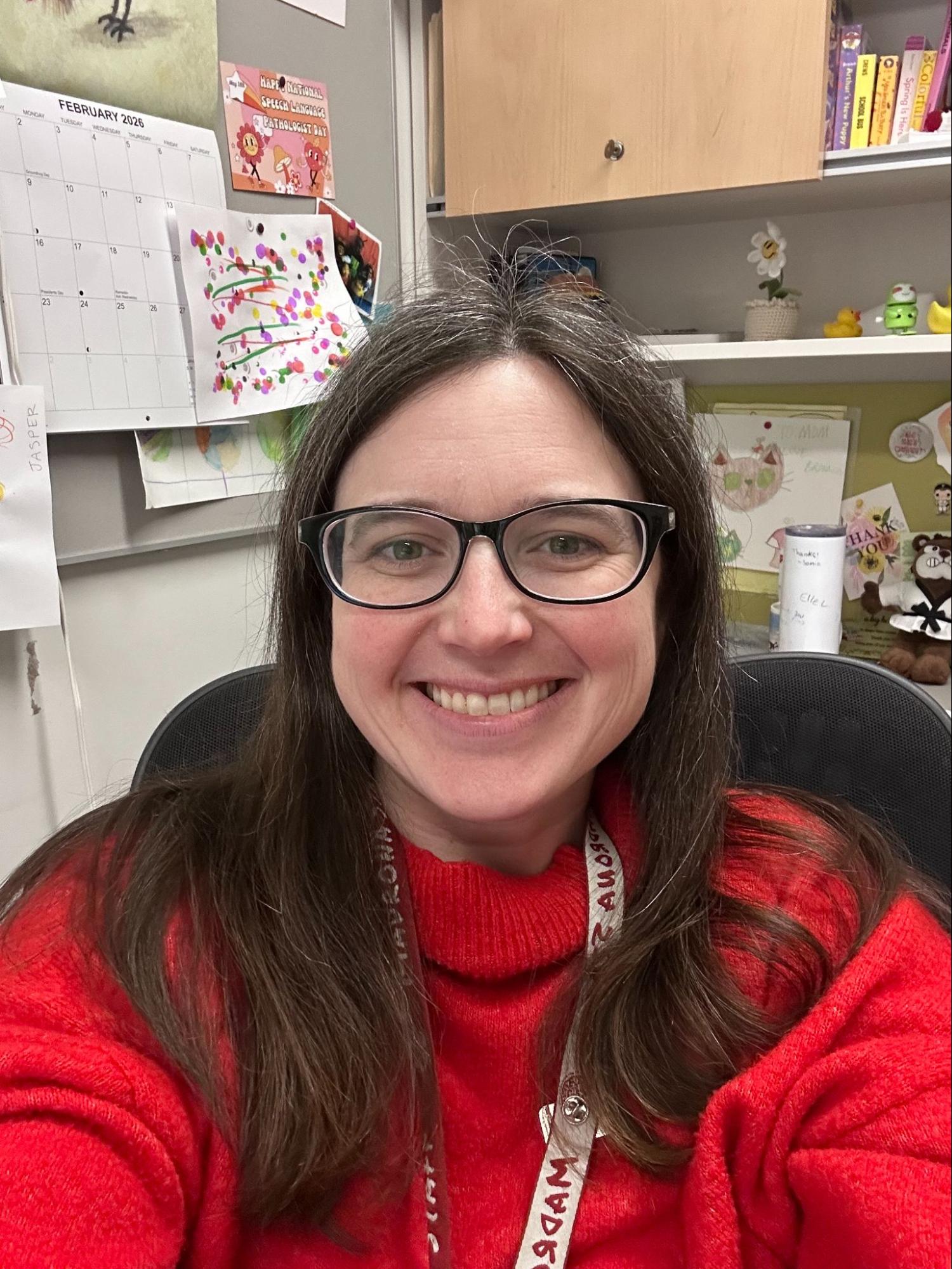
Erin Crafton, MS, CCC-SLPErin received her master's degree in Speech-Language Pathology from Gallaudet University in 2010. Since then, she has worked almost exclusively with students who are Deaf and Hard-of-Hearing. She has worked in a variety of communication philosophies: oral/aural at the River School in Washington, DC, simultaneous Signing Exact English and spoken English at Northwest School for Deaf and Hard-of-Hearing Children in Shoreline, WA, and American Sign Language (bilingual-bicultural approach) in Edmonds School District in Washington. She currently works full time in Edmonds, a regional ASL program in the Puget Sound area. RegistrationMember
$27.50
Non-Member
$35.00
Student Member
Free
Zoom link: The Zoom link will be emailed after registration is confirmed. Captioning: Zoom captions are available for all attendees. Register NowRecordingKeep ExploringSchool Based Advocacy Series
Shared Roles: EdAuDs, ToDHHs & SLPsSuggested roles of educational audiologists, teachers of the deaf and hard of hearing, and speech-language pathologists. Practice Topic
Collaboration & Team RolesWho does what across the team supporting D/HH students: EdAuDs, clinical audiologists, ToDHHs, SLPs, school staff. |